In 2026, vegan makeup brushes are becoming practical tools for ethical beauty routines. They use synthetic fibers instead of animal hair, often made from nylon or other engineered materials. The best options can feel soft, dense, and surprisingly precise. Some blend foundation smoothly across the cheeks. Others place powder gently around the eyes without scratching delicate skin.
But what are the benefits of vegan makeup brushes beyond avoiding animal-derived materials? This guide examines softness, performance, hygiene, durability, and responsible production. It also considers handle design, fiber density, shedding, and cleaning time. These details matter during real use, especially when a brush must blend liquid foundation before it dries. A well-shaped vegan brush can reduce streaks and make controlled application easier. Many synthetic fibers also absorb less product than natural hair, which may help reduce waste.
Still, vegan does not automatically mean sustainable, luxurious, or better for everyone. Materials, packaging, manufacturing, and brush lifespan deserve careful attention. A low-quality brush may shed after several washes. That is disappointing. Product claims should be checked against clear material details, brand testing, and reliable customer feedback. My own preference is simple: choose performance and transparency together. This overview compares leading 2026 options through practical criteria, not attractive labels alone. It aims to help beginners and experienced users select brushes that feel comfortable, clean easily, and support a more considered makeup routine.
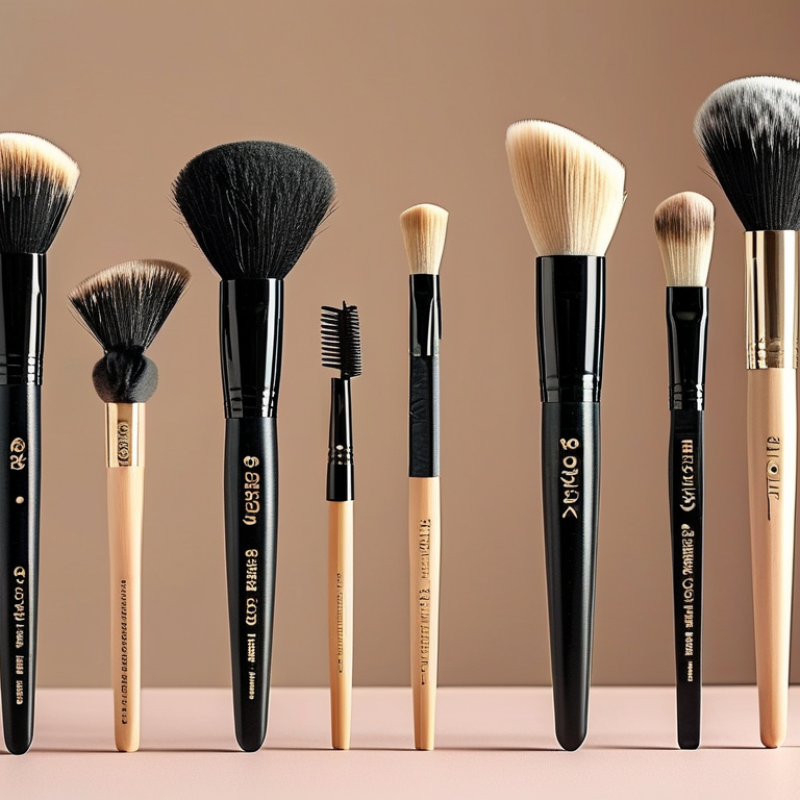
Vegan makeup brushes use synthetic fibers, usually nylon or polyester, instead of animal hair. They resist odor, dry faster, and offer a smoother surface for liquid foundation. However, “vegan” describes material origin, not automatic quality or safety. Grand View Research’s 2024 cosmetic brush market analysis indicates synthetic bristles are gaining share through 2030. The shift reflects easier cleaning, consistent shape, and improved cruelty-free expectations.
Certification adds useful evidence. The Vegan Society reports more than 65,000 registered products under its trademark worldwide, showing strong demand for verified claims. Still, buyers should check whether certification covers the brush, adhesive, handle coating, and packaging. COSMOS standards mainly address cosmetic ingredients, not every brush component. In 2026, transparent material lists and traceable manufacturing should matter more than green wording alone. I still test shedding after repeated washing. A certificate cannot replace real performance testing.
Tips: Look for independently verified vegan certification and full fiber disclosure. Bend the bristles gently. They should recover without sharp plastic edges. Check the ferrule for secure bonding, then wash one brush before buying a full set. Sustainability claims remain imperfect when synthetic fibers may release small particles during cleaning.
2026 Top Vegan Makeup Brushes: What Are the Benefits?
2026 Top Picks Ranked by Brush Type, Fiber Technology, and User Needs
A carefully shaped vegan brush can improve control, blending, and product placement. Its main benefit is consistency without animal-derived hair. Synthetic fibers also resist absorbing liquid foundation, so less product remains trapped between the bristles. That can reduce waste and simplify cleaning. However, “vegan” does not automatically mean excellent. Check the adhesive, handle materials, and cruelty-free manufacturing claims.
For liquid products, a dense flat-top brush ranks highly for even coverage and quick blending. A soft tapered brush suits powder blush and creates gentler edges. Small precision brushes work best for concealer, brows, and inner-corner detail. For fiber technology, fine nylon often feels smooth, while textured polyester can provide stronger grip on cream formulas. Recycled synthetic fibers may reduce material waste, but performance depends on manufacturing quality.
Sensitive skin users should choose flexible, low-friction fibers with no rough tips. Beginners may prefer a medium-density set with clear shapes and balanced handles. Professionals often need varied densities, sturdy ferrules, and reliable shape retention after repeated washing. In practical use, a brush that dries slowly becomes inconvenient, even when it blends beautifully. I also find some ultra-soft fibers lack control around the nose. That trade-off deserves attention. Clean brushes regularly, inspect loose fibers, and replace tools when shedding or odor persists.
A practical comparison of common vegan brush types using a relative 1–5 suitability scale. Scores reflect typical brush functions, fiber behavior, and user needs rather than brand performance or laboratory testing.
Synthetic fibers are commonly preferred for vegan brushes because they are consistent, easy to clean, and suitable for liquid and cream formulas. Flat foundation brushes emphasize coverage, angled blush brushes support controlled placement, fluffy powder brushes distribute loose products evenly, and small detail brushes provide precision around the eyes and lips.
2026 Top Vegan Makeup Brushes: What Are the Benefits?
Material choice now matters more than a soft first touch. Taklon, nylon, and recycled fibers are all animal-free options, but they perform differently. Taklon usually offers a smooth surface and controlled powder release. Nylon often provides stronger spring and better shape recovery. Recycled polyester or nylon can reduce dependence on virgin materials, yet its quality depends on fiber length, blending, and finishing.
Textile Exchange reported that global fiber production reached 124 million tonnes in 2023. The same 2024 Materials Market Report projects 160 million tonnes by 2030. Recycled fibers remain important, but recycled content alone does not prove durability. In industry testing, brush heads may face pull-out tests, repeated washing, abrasion checks, and liquid absorption measurements. ISO 6330 washing procedures and ISO 12945-2 pilling methods can support more consistent comparisons. However, cosmetic-brush testing is not perfectly standardized. That gap deserves attention.
Tips: Check fiber content, not only “vegan” wording. Run a gentle wash test. Observe shedding after ten cycles. A dense Taklon head may feel precise, while nylon can suit cream products and detailed edges. Recycled fibers are worth considering when traceability and tested performance are both documented. No material wins every test. A softer brush may lose shape sooner. A firmer brush may feel less comfortable around the eyes.
2026 Top Vegan Makeup Brushes: What Are the Benefits?
Vegan makeup brushes use synthetic fibers instead of animal hair. The Vegan Society defines vegan products as free from animal-derived ingredients and exploitation. This supports animal welfare without reducing softness or blending control. In daily use, dense fibers can pick up foundation evenly. They also avoid the uneven texture found in some natural-hair brushes. A small detail matters: smooth fibers are easier to rinse completely.
Hygiene is another practical advantage. The U.S. Food and Drug Administration advises cleaning makeup brushes every seven to ten days. Synthetic fibers usually absorb less liquid than porous animal hair. Less trapped moisture may reduce residue and odor between washes. Durability also depends on construction, not only fiber type. A secure ferrule and tightly bonded handle matter. Cheap designs can still shed.
The environmental picture needs honesty. Grand View Research’s 2024 analysis estimated the vegan cosmetics market at about 16 billion U.S. dollars in 2023. That growth suggests stronger consumer interest, but it does not prove every vegan brush is sustainable. Synthetic fibers commonly rely on plastics and may release tiny particles during washing. UNEP’s 2023 Turning off the Tap report found that plastic pollution could be reduced by 80% by 2040 through reuse, recycling, and redesign. Longer-lasting brushes, minimal packaging, and careful cleaning are therefore meaningful choices. Vegan does not automatically mean low-impact.
| Evaluation Dimension | Vegan Makeup Brushes | Practical Benefit | Important Consideration |
|---|---|---|---|
| Brush Hair Material | Synthetic fibers, commonly made from nylon, polyester, or other man-made polymers | Provides a consistent shape, smooth application, and predictable product pickup | The exact performance depends on fiber design, density, softness, and manufacturing quality |
| Hygiene | Often less absorbent than natural animal hair and generally easier to rinse clean | Can reduce product buildup and simplify regular cleaning when properly maintained | No brush is self-sanitizing; wash regularly, allow complete drying, and do not share eye or lip brushes |
| Durability | Synthetic fibers resist many repeated washing cycles and are less likely to become brittle from moisture when cared for correctly | Can provide a long service life with less shedding, deformation, and odor retention | Avoid soaking the ferrule or handle, excessive heat, harsh solvents, and storing brushes while damp |
| Animal Welfare | Does not use animal hair or other animal-derived brush-hair materials | Supports cruelty-free purchasing preferences and avoids dependence on animal-hair sourcing | Check the full product specification because handles, adhesives, coatings, or packaging may not always be vegan |
| Environmental Impact | Avoids animal-hair sourcing, but most synthetic fibers are petroleum-derived and are not readily biodegradable | A durable brush used for years can reduce replacement frequency and associated packaging waste | Consider recycled fibers, responsibly sourced handles, minimal packaging, repairability, and end-of-life disposal |
| Liquid and Cream Products | Typically performs well with foundation, concealer, cream blush, and cream contour products | Smooth fibers can distribute liquid formulas evenly without absorbing as much product as some natural hairs | Clean promptly after use because dried cream products can harden between densely packed fibers |
| Powder Products | Suitable for powder foundation, blush, bronzer, highlighter, and eyeshadow | Different fiber shapes and densities can provide either soft diffusion or more controlled pigment placement | Performance varies substantially; softer fibers are usually preferred for blending, while denser fibers increase color payoff |
| Skin Sensitivity | Smooth synthetic tips can feel gentle and do not contain animal dander or animal hair | May be a suitable option for people who prefer non-animal materials or experience discomfort with coarse fibers | Irritation can also result from dyes, finishes, cleaning products, or accumulated makeup; discontinue use if irritation occurs |
| Maintenance | Usually compatible with gentle soap or brush cleanser and routine air-drying | Straightforward cleaning can help preserve softness, shape, and application quality | Dry flat or with the bristles pointed downward; avoid leaving brushes in closed containers while wet |
| Best Sustainability Practices | Choose long-lasting construction, replaceable components where available, recycled content, and reduced packaging | Extending product life is one of the most practical ways to lower the environmental burden of frequent replacement | “Vegan” describes the absence of animal-derived materials, not necessarily low carbon emissions, biodegradability, or recyclability |
Overall assessment: Vegan makeup brushes can offer strong hygiene, durability, and animal-welfare advantages. Their environmental profile depends on fiber composition, manufacturing, packaging, product lifespan, cleaning practices, and disposal.
2026 Top Vegan Makeup Brushes: What Are the Benefits?
Selection Guide Using ISO 22716, FSC, and Cruelty-Free Certification Criteria
Vegan brushes use synthetic or plant-based components instead of animal hair. They can offer consistent texture, easier cleaning, and fewer ethical concerns. However, vegan does not automatically mean safer, cleaner, or more durable. That distinction matters in 2026. Grand View Research estimates the global vegan cosmetics market reached about US$17.5 billion in 2023, showing stronger demand for verified claims.
For brush selection, examine the supplier’s ISO 22716 practices. This cosmetics Good Manufacturing Practice standard supports hygiene controls, batch records, complaint handling, and traceability. It is not a complete product safety certificate. Ask whether the factory applies these controls to brush materials and packaging. Look closely at ferrule adhesives, dyes, and synthetic fibers. A soft brush should not shed during ten controlled strokes.
FSC criteria mainly apply to wooden handles, paper cartons, or paper inserts. FSC reported more than 160 million hectares of certified forest and over 50,000 certificate holders in its 2024 facts and figures. Check the FSC claim and certificate code, rather than trusting green artwork. Cruelty-free certification should include supplier declarations, testing restrictions, and audit or traceability requirements. Standards differ between organizations. A logo alone can mislead. My own weak point is assuming “vegan” covers glue and packaging; it does not. Verify each component separately, and keep the evidence.
: They use synthetic or plant-based fibers instead of animal hair. These fibers can create consistent blending and product placement. No animal hair is used. Check the glue and handle materials too.
Often, yes. Dense, flat-top fibers spread liquid foundation evenly. Synthetic fibers usually absorb less product than porous natural hair. Less product gets trapped between the bristles. Coverage may feel faster and cleaner.
Choose a soft, tapered brush with flexible fibers. It creates gentler edges on the cheeks. A medium size offers useful control. Very soft fibers can sometimes feel less precise.
Small precision brushes suit concealer, brows, and inner-corner work. They help place small amounts of product accurately. Use short strokes around the nose. Tiny brushes can feel awkward at first.
Select flexible fibers with smooth, rounded tips. Avoid rough fibers that create friction. Test the brush gently on your hand first. Softness alone does not guarantee comfort.
Clean them every seven to ten days during regular use. Rinse synthetic fibers thoroughly, especially after using liquid products. Press water from the bristles with a clean towel. Do not leave them soaking.
Not automatically. Synthetic fibers often rely on plastic materials. Washing may release tiny particles. Longer-lasting brushes and minimal packaging can reduce waste. The environmental benefit remains complicated.
Inspect the fibers, ferrule, handle, adhesive, and packaging. Look for clear manufacturing and cruelty-free evidence. Certification claims should include traceable details. A logo alone proves little. I sometimes trust “vegan” too quickly.
In 2026, vegan makeup brushes are defined by high-performance synthetic fibers, responsible sourcing, and stricter quality expectations. Made with materials such as Taklon, nylon, and recycled fibers, these brushes can provide smooth application, consistent shape retention, and reliable durability without using animal hair. Industry testing increasingly evaluates fiber softness, shedding resistance, cleaning performance, and environmental considerations. Certifications and documented standards, including ISO 22716, FSC sourcing principles, and credible cruelty-free criteria, can help consumers assess manufacturing quality and ethical claims.
So, what are the benefits of vegan makeup brushes? They offer strong hygiene potential because non-porous synthetic fibers are easier to clean and less likely to retain oils or residue. They are also durable, suitable for different makeup textures, and aligned with animal-welfare values. Recycled or responsibly sourced materials may further reduce environmental impact. When selecting a brush, consider its intended use, fiber technology, comfort, construction, certification evidence, and user needs rather than relying on appearance alone.

MVX Beauty