Buying makeup brushes from China can offer variety, competitive pricing, and access to innovative designs. However, attractive packaging does not guarantee reliable performance. Buyers should examine bristle softness, ferrule strength, handle balance, and supplier quality records. A brush that sheds during blending can leave loose fibers across foundation or eyeshadow. That detail matters.
The central question is: what mistakes should you avoid when using makeup brushes? The answer begins with both purchasing and daily care. Many buyers choose brushes only by price, overlook material descriptions, or trust unclear product photos. Others use one brush for several textures without proper cleaning. Cream residue can harden between bristles overnight. It may also affect color payoff the next morning. Even experienced users miss this.
Professional makeup artist Bobbi Brown has said, “The right tools make all the difference.” Her point remains practical for today’s buyers. The wrong brush shape can create streaks, patchy blush, or harsh contour lines. Poor storage can bend delicate fibers inside a crowded makeup bag. A damp brush can also develop an unpleasant odor when sealed too quickly. Buyers should request clear specifications, sample testing, and consistent quality checks before placing large orders. They should also confirm washing instructions and production standards with suppliers. Not every low-cost brush is poor, and not every premium brush performs well. That is where careful testing matters. This guide explores China’s top ten makeup brush mistakes, including selection errors, hygiene problems, misuse, and neglected maintenance. Some recommendations may seem obvious. In practice, they are often ignored.
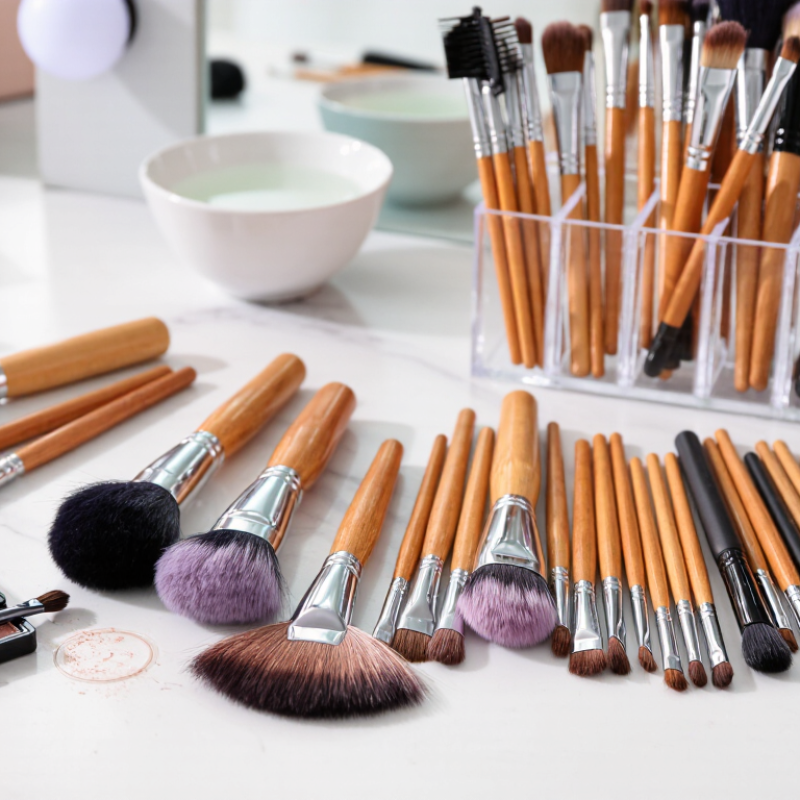
China makeup brush buying risks often appear in quality control data, not polished samples. Buyers may approve one perfect sample, then receive batches with uneven bristles, loose ferrules, stained handles, or strong adhesive odors. These defects usually indicate weak process control. Check inspection records for defect rates, AQL levels, rework numbers, and repeated complaints. A low price means little if shedding reaches 8% after simple brushing tests.
The ten common mistakes include trusting photos, skipping factory audits, ignoring material details, accepting vague specifications, testing only one sample, and overlooking packaging damage. Buyers also miss handle coating cracks, poor ferrule alignment, inconsistent brush density, and unclear cleaning procedures. Request measurements for bristle length, ferrule pressure, handle weight, and glue coverage. Compare these figures with pre-production samples and shipment results. Small differences matter.
Tips: Ask for lot-based inspection data, not general claims. Test at least several brushes from different cartons. Keep dated photos and signed approval records. Confirm who pays for rework before production starts. I have seen buyers focus heavily on softness while ignoring handle durability. That judgment can be costly. Quality control is never perfect, and one overlooked detail may expose a larger process weakness. Review trends, not just pass-or-fail reports.
A sample may look excellent while later batches show shedding, loose ferrules, or stained handles. Check lot-based inspection records. One sample is not enough.
Request defect rates, inspection levels, rework counts, complaints, and shipment results. Ask how each percentage was calculated. Numbers without definitions can mislead.
Brush each item ten times across clean white paper. Count visible fibers afterward. Repeat the test with brushes from different cartons. Simple tests reveal problems.
Synthetic fibers usually offer steadier shapes and easier cleaning. Natural fibers may feel softer but vary more between batches. Neither choice guarantees reliable quality.
Request fiber specifications, batch records, cleaning procedures, storage details, and traceability documents. Confirm the materials suit cosmetic contact. Do not rely on a certificate alone.
Check the laboratory, test date, sample identity, and production batch. Compare testing records with complaints, returns, and rework. A copied PDF proves very little.
Confirm whether the minimum applies to each design, color, material, or total order. Clarify mixed-item allowances, packaging quantities, tooling fees, and deposit stages. Vague terms become expensive.
Record bristle length, brush density, ferrule pressure, handle weight, and glue coverage. Compare production figures with approved samples. Small differences may signal weak process control.
Inspect crushed cartons, loose wrapping, stains, and exposed brush heads. Photograph each issue with dates and carton details. Packaging is easy to overlook.
Buyers may focus on softness and ignore handle durability or cleaning performance. I might make that mistake too. Review trends, not only pass-or-fail results.
Buying makeup brushes from China can be efficient, but poor evaluation may lead to inconsistent quality, hidden costs, and customer complaints. Buyers should avoid material errors by comparing synthetic and natural fibers for softness, durability, performance, and suitability under ISO 22716-based quality practices. They should also match brush size, shape, and density with the intended application, coverage level, and product texture rather than relying only on appearance.
A reliable purchasing process should include checks for shedding, odor, microbial risk, handle stability, and cleaning durability. Buyers should request testing records, inspect production samples, clarify MOQ and customization terms, and review defect-rate data before placing large orders. In short, what mistakes should you avoid when using makeup brushes? Avoid choosing solely by price, ignoring hygiene evidence, accepting unclear specifications, and failing to verify supplier consistency. Careful testing and documented quality controls help reduce purchasing risks and support dependable long-term supply.

 MVX Beauty