In the competitive world of cosmetics, understanding "what makes a high quality makeup brush" is essential for global buyers. Renowned makeup artist Lisa Eldridge emphasizes, "The right brush transforms makeup application.” This sentiment highlights the significance of quality in brushes, as they can influence the final look.
High-quality brushes are crafted from premium materials and designed for functionality. Soft bristles allow for smooth application, while sturdiness ensures longevity. A good brush should maintain its shape and texture after use. However, not all brushes meet these standards. Some may feel good initially but fail to perform over time.
Buyers often face challenges in distinguishing between high and low-quality brushes. As trends change, so do the materials and techniques. Reflection on one's choices can lead to better purchases. Investing in a high-quality brush is not merely a trend; it's an essential aspect of achieving a flawless look.
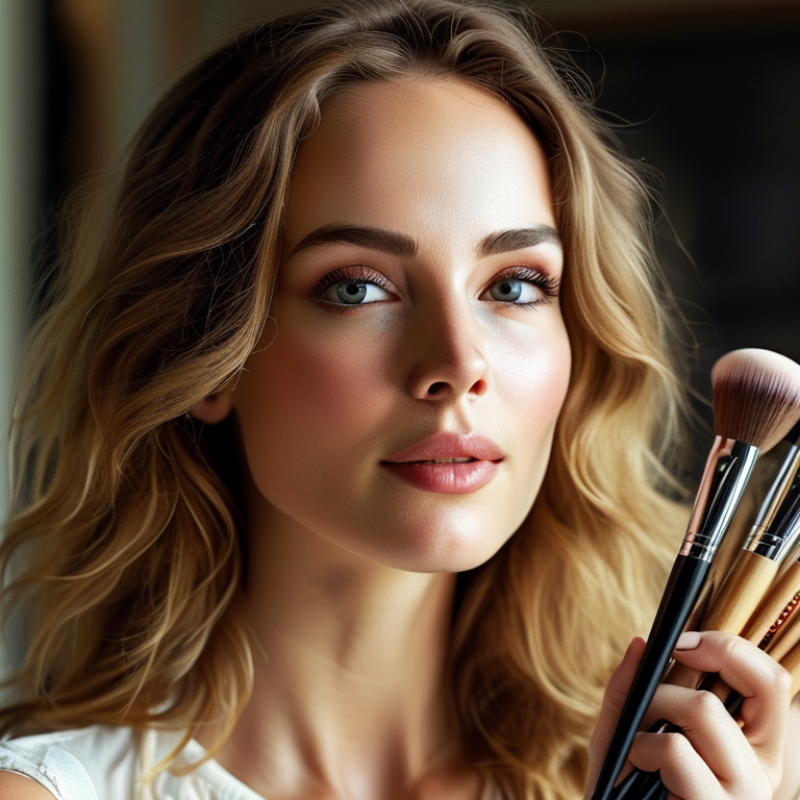
When considering quality makeup brushes, several factors come into play. The material of the bristles is crucial. Natural bristles often provide a softer and more blended application, while synthetic options can be more durable and easier to clean. The choice largely depends on personal preference and intended use.
Density and shape are also important. A denser brush can hold more product, giving a fuller coverage. Different shapes serve specific purposes like contouring or blending. It's essential to select brushes that align with your makeup techniques. Tips: Test the brush before purchasing. Feel the bristles to assess softness. Check for any shedding to ensure durability.
Another factor is the handle design. A well-balanced handle enhances control, allowing for precise application. The weight and grip of a brush can significantly impact one's experience. Slight imperfections in design might lead to discomfort during long makeup sessions, prompting the need for better ergonomics. Tips: Find a handle size that fits comfortably in your hand. This can make a difference in your makeup routine. A thoughtful investment in quality brushes can transform your experience.
When choosing high-quality makeup brushes, materials play a crucial role. Natural fibers, like animal hair, offer a soft touch and excellent pigment application. These brushes can provide a flawless finish. However, they can be more expensive and may raise ethical concerns regarding sourcing.
Synthetic brushes, made from man-made fibers, present an affordable alternative. They are often more durable and easier to clean. Synthetic options can perform well with both cream and powder products. Some users may feel they lack the softness of their natural counterparts.
Quality varies widely among brushes, making it vital to analyze their construction. A brush with a sturdy handle and well-assembled bristles can enhance the application experience. When selecting brushes, personal preference is key. Different textures can evoke diverse feelings during use. Reflect on what feels best for you and your makeup routine.
When selecting a makeup brush, construction techniques greatly influence its performance. Many brushes use synthetic or natural fibers. Synthetic fibers are often better for liquid products. They absorb less product and distribute it evenly. Natural fibers, though soft, can absorb products, leading to waste. This distinction plays a key role in brush effectiveness.
The shape of the bristles also impacts application. Tapered brushes offer precision, ideal for detailed work. Flat brushes are excellent for broader strokes, allowing for seamless blending. The density of the bristles is crucial as well. Denser brushes tend to pick up more product, which can be beneficial. However, too much density can lead to an unwanted finish.
Quality of the ferrule matters too. A sturdy ferrule prevents shedding and maintains the brush's shape. When using brushes for an extended period, a weak ferrule can lead to frustration. Brushes with poor construction may require frequent replacements, raising concerns about sustainability. Make sure to ponder these factors when searching for high-quality options.
| Brush Type | Material | Hair Type | Handle Material | Performance Rating (1-5) |
|---|---|---|---|---|
| Foundation Brush | Synthetic | Taklon Fiber | Wood | 4 |
| Eyeshadow Brush | Natural | Goat Hair | Plastic | 5 |
| Blush Brush | Synthetic | Nylon | Aluminum | 4 |
| Lip Brush | Synthetic | Taklon Fiber | Metal | 4 |
| Detail Brush | Natural | Squirrel Hair | Wood | 5 |
When selecting makeup brushes, understanding their shapes is essential. Each brush is designed for specific tasks. For example, flat brushes work well for applying foundation. Their shape allows for a smooth, even application. Round brushes, on the other hand, excel at blending eyeshadows. The fluffy bristles help to soften harsh lines, creating a seamless look.
Detail-oriented users may choose angled brushes for precise tasks. They are ideal for contouring or eyeliner application. The angle assists in achieving sharp lines and defined shapes. Furthermore, fan brushes serve a unique purpose too. They can add a light dusting of highlighter, achieving that perfect glow.
It's vital to remember that not every brush suits everyone's needs. Some users may find their skin type reacts differently to various bristles. Synthetic bristles can be better for liquid products. Natural hair brushes may work better for powder formulas. Preference ultimately depends on individual comfort and application style. Exploring different shapes and experimenting may lead to a personalized brush collection.
When selecting a high-quality makeup brush, brand reputation stands paramount. A recent survey indicated that 78% of beauty consumers trust brand credibility. This trust is often rooted in consistent product quality and positive customer feedback. Online platforms reveal that brushes with over 4.5 stars on average receive twice as many purchases as those with lower ratings. Therefore, checking reviews can be a pivotal step in ensuring you invest in tools that genuinely enhance your makeup application.
Customer reviews not only provide insight into performance but also uncover real user experiences. An industry report stated that 65% of users prefer brushes known for durability and ease of cleaning. Brushes that shed bristles or lose shape after washing often face criticism. Not every highly-rated brush meets expectations; some may feel scratchy or fail to blend well. Reflecting on these nuances can guide buyers toward choices that align with their specific needs rather than following popular trends blindly.
Moreover, considering the authenticity of reviews is crucial. Fake comments can skew perceptions, leading to unsatisfactory purchases. Buyers should seek out detailed feedback that discusses both positive aspects and potential drawbacks. Such balanced insights promote informed decisions, enabling consumers to find the right brush that delivers on both quality and performance.
: Key factors include bristle material, density, shape, and handle design.
Natural bristles offer softness, while synthetic ones are durable and easy to clean.
Denser brushes hold more product, allowing for fuller coverage on the skin.
Different shapes are designed for specific tasks, like contouring or blending.
A comfortable grip enhances control, improving precision during application.
A sturdy ferrule prevents shedding and maintains the brush’s shape during use.
No, individual skin types and preferences can influence brush effectiveness.
Test brushes for softness and check for shedding before making a purchase.
Slight flaws can lead to discomfort, potentially affecting the makeup experience.
Yes, a thoughtful investment can significantly enhance your overall makeup experience.
When considering what makes a high quality makeup brush, several key factors come into play. First, the materials used—whether natural or synthetic—significantly affect both performance and durability. Natural bristles often provide superior application for powders, while synthetic fibers excel with creams and liquids. Additionally, the brush construction techniques influence its effectiveness; brushes should have dense, well-constructed bristles for optimal performance.
Moreover, understanding different brush shapes and their specialized uses enhances makeup application. From tapered brushes for detail work to fluffy brushes for blending, each design serves a unique purpose. Lastly, evaluating brand reputation and customer reviews can provide valuable insights into quality assurance, helping buyers make informed choices that uphold their beauty routines. Ultimately, these elements collectively define what makes a high quality makeup brush essential for global consumers.

MVX Beauty