Choosing a makeup brush set can feel simple until you face rows of nearly identical tools. A dense foundation brush, a soft powder brush, and a small tapered eye brush each serve different purposes. The right set should fit your routine, products, and comfort—not just look impressive on a vanity.
The market is growing, but size alone does not tell you which brushes are worth buying. McKinsey’s 2023 beauty-market report projected the global beauty market could reach $580 billion by 2027, with about 6% annual growth. That figure covers beauty broadly, not makeup brushes specifically. Still, it reflects a crowded product landscape where clear, practical choices matter. How to choose a makeup brush set, then, starts with checking the basics: useful brush shapes, securely attached bristles, comfortable handles, and materials suited to your preferred formulas. A large set may include tools you rarely touch. A smaller one may leave gaps in your routine. Neither is automatically better. Brush softness matters, but so do shedding, cleaning, and how well each shape places or blends product. Claims like “professional quality” deserve a closer look. This guide shares seven practical tips for comparing sets, spotting details that affect everyday use, and avoiding purchases based on brush count alone. Expect a little trial and error; even careful shoppers can misjudge a handle or brush shape from a product photo.
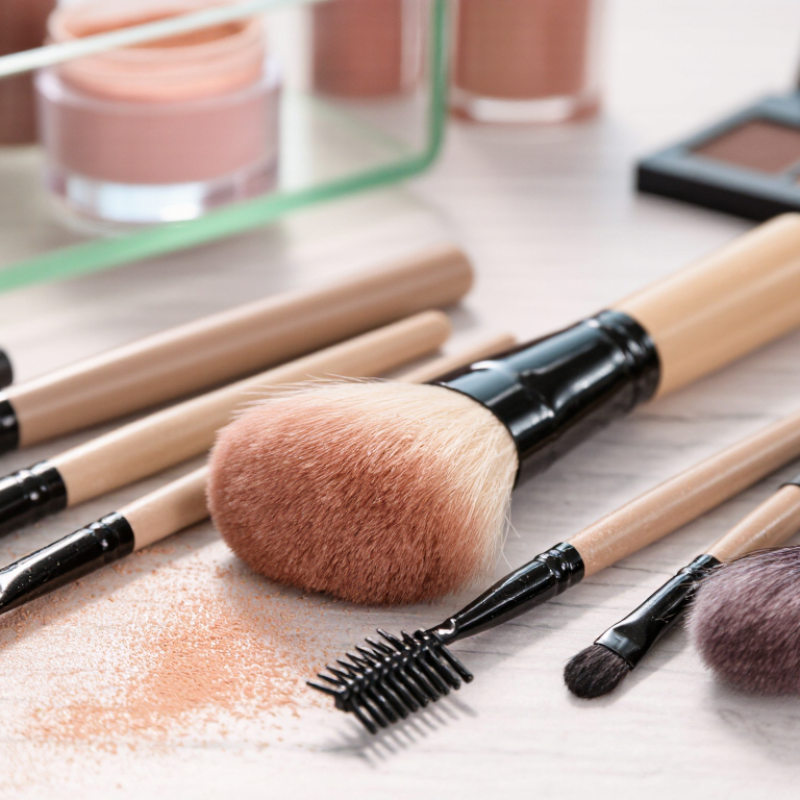
Define Your Makeup Needs and Preferred Application Style
Choose brushes for the makeup you use most, not for the size of the set. If you apply liquid foundation daily, look for a dense, rounded face brush that blends around the nose and jaw. Prefer sheer coverage? A softer, looser brush may feel less heavy. For powder, blush, or bronzer, consider whether you want a broad sweep or controlled placement. Small, tapered shapes help with detail; larger heads cover more area. Keep it practical. A set of twelve brushes is not useful if you reach for three.
Your application style matters, too. Brush users may value shape and firmness, while sponge users might need only brushes for powder, eyes, or precise blending. McKinsey’s 2023 State of Beauty report projected that the global beauty market could reach about $580 billion by 2027, growing roughly 6% annually. That market forecast does not mean you need more tools; personal routines matter more than category growth. Before buying, note what you apply, how you blend, and which steps you skip. I would still reassess that list after a week: habits on paper can look more ambitious than they are in front of the mirror.
7 Tips on How to Choose a Makeup Brush Set
Define Your Makeup Needs and Preferred Application Style
Use these practical guide scores (1 = low emphasis, 5 = high emphasis) to compare the brush types that may matter most to your routine. They are recommendations, not survey results: choose a set based on the products you use and the finish you prefer.
Identify the Brush Types Required for Your Routine
Before choosing a makeup brush set, think through the products you actually use in a typical week.
A lightweight foundation routine may need a dense, rounded brush for blending, while tinted moisturizer often works well with fingers or a softer brush. For powder, look for a fluffy face brush that reaches around the nose without leaving a heavy layer.
Small details matter.
If you rarely use blush, you may not need several angled options.
Eye makeup calls for a different mix.
A flat shader brush can press color onto the lid, and a soft blending brush can soften edges in the crease. If you use eyeliner or fill your brows with powder, a narrow angled brush may be useful. Check the handle and bristles in person when possible. Bristles should feel secure, not scratchy, and the brush should fit comfortably in your hand.
I once bought a set with many eye brushes, then kept reaching for the same two.
It was a useful reminder that variety is not the same as usefulness.
Match the set to your habits, not an idealized routine.
Consider whether you apply cream, liquid, or powder products, since dense synthetic bristles often handle creams well and softer, airy brushes suit loose powders. Think about cleaning, too: brushes used for liquid products may need washing more often. A smaller set can be easier to maintain.
Leave room for change.
Your routine may shift with the season, your skin, or simply your patience on busy mornings.
Compare Bristle Materials, Shapes, and Sizes
Start with bristle material, because it affects how a brush picks up and releases product. Synthetic fibers are generally easy to wash and suit liquid or cream formulas. Natural hair can hold powder efficiently, but softness and quality vary. Check how the fibers were sourced, too. Feel the tips against your inner wrist; they should not feel scratchy. Small differences matter. A label alone cannot predict performance.
Next, compare shapes with the makeup you actually use. A flat brush can press foundation or concealer into small areas, while a rounded, fluffy brush diffuses powder across the cheeks. Angled bristles can follow the sides of the nose or define the jaw. Size matters just as much: a large brush may cover the forehead quickly, but feel clumsy around the eyes. For detailed work, choose a smaller head that fits comfortably beneath the lower lash line. Try holding it, not just inspecting it.
A balanced set should include several useful shapes and sizes, rather than many brushes that do nearly the same job. Check that ferrules feel secure and fibers stay in place with a gentle tug. If possible, test a brush with the formula you plan to use. One detail is easy to miss: dense bristles may feel soft but can leave too much product in one spot. There is no perfect set for everyone, and choosing only by appearance is a mistake I would rethink.
Assess Handle Quality, Construction, and Ease of Use
When choosing a makeup brush set, inspect the handles as carefully as the bristles. A smooth, sealed handle should feel secure without slipping when your fingers are clean or slightly damp. Check the ferrule, the metal collar joining handle and bristles. It should sit firmly, with no wobble or visible gaps. Small details matter. A loose joint can worsen with repeated washing.
Balance is personal. Hold each brush as you would during application: a handle that feels too heavy may tire your fingers, while an overly light one can feel less controlled. Try short strokes on your hand. Test it dry. Grand View Research’s Makeup Brushes Market Size, Share & Trends Analysis Report estimated the global makeup-brush market at about US$1.6 billion in 2023. That figure describes market size, not product quality, so it cannot tell you whether a particular set is well made.
Look for smooth edges, consistent assembly, and handles that are easy to clean without trapping water near the ferrule. If possible, wash one brush before buying the full set; check for loosening, shedding, or a rough surface afterward. This check is not perfect, and one wash cannot predict years of use. Still, it reveals more than appearance alone. A set that feels comfortable in your hand is often more useful than one with extra brushes you rarely reach for.
7 Tips on How to Choose a Makeup Brush Set — Assess Handle Quality, Construction, and Ease of Use
| Tip |
What to Assess |
Signs of Quality |
Simple Check Before Buying |
Why It Matters |
| 1 |
Handle material and finish |
The handle feels smooth, sturdy, and comfortable to hold. Its finish has no cracks, rough edges, or peeling. |
Hold the brush as you would during application and check the handle along its full length. |
A comfortable handle is easier to control, while a durable finish can better withstand regular handling and cleaning. |
| 2 |
Ferrule attachment |
The metal ferrule sits securely between the handle and bristles, with no visible gaps, sharp edges, or looseness. |
Gently hold the handle and wiggle the ferrule. It should not shift or rattle. |
A secure connection helps prevent the brush head from loosening during use or washing. |
| 3 |
Bristle retention |
Bristles are evenly arranged and remain in place with gentle handling. |
Lightly run your fingers across the bristles and give them a gentle tug. Avoid brushes that shed noticeably during this check. |
Excessive shedding can affect application and leave loose hairs on the skin or makeup. |
| 4 |
Bristle softness and flexibility |
The brush feels comfortable against the skin and springs back into shape after a light press. |
Test the brush on the back of your hand, if possible, and gently press the bristles against a clean surface. |
Softness and flexibility influence comfort, product pickup, and how evenly makeup can be blended. |
| 5 |
Brush shapes and useful variety |
The set includes shapes suited to your routine, such as a powder brush, blending brush, and smaller detail brush. |
Compare each brush with the products and techniques you use most often; look for useful differences rather than duplicates. |
A well-chosen selection makes it easier to apply and blend different products without paying for unused tools. |
| 6 |
Balance and grip |
The brush feels balanced in the hand and does not slip easily during controlled movements. |
Hold it near the end and closer to the ferrule, then make a few small, controlled strokes in the air. |
Good balance and grip can make detailed application more comfortable and precise. |
| 7 |
Cleaning and drying practicality |
The brush head can be rinsed and reshaped without the handle or ferrule appearing fragile. |
Check the care instructions and whether the brush can be laid flat or positioned with the bristles angled downward to dry. |
Regular, appropriate cleaning helps remove makeup residue and supports the condition of the bristles and brush construction. |
Balance Set Price, Maintenance, and Long-Term Value
A makeup brush set is worth judging by more than its price tag. Count the brushes you will actually use: a soft powder brush and a smaller blending brush may earn daily use, while several similar shapes can sit untouched. Divide the price by the brushes you expect to reach for regularly. It is not a perfect calculation, but it makes “more pieces for less” easier to question. A sturdy handle and evenly secured bristles matter, too; loose hairs on a clean cheek are frustrating.
Maintenance affects long-term value. Synthetic brushes are often practical for cream and liquid products, and many can be washed with mild soap and lukewarm water. Rinse the bristles downward, avoid soaking the metal ferrule, then reshape and dry the brush flat. Small habits help. If cleaning feels like a chore, a large set may create more work than value. I have to admit that even a well-made brush can be neglected when there are too many to maintain.
Before buying, check whether the set includes a simple storage case and whether individual brushes can be replaced, rather than forcing you to buy another full collection. Consider how often you apply makeup and where the brushes will dry. A compact set may cost more per brush but take less space and suit a real routine better. And sometimes the cheaper set is fine; I would just inspect the stitching and bristles before deciding.
Conclusion
Choosing the right makeup brush set starts with understanding your makeup needs and preferred application style. Think about the products you use most often and whether you prefer light, natural coverage or more precise, buildable results. Then identify the brush types your routine requires, such as brushes for foundation, powder, eyeshadow, or detail work, so you can avoid paying for tools you are unlikely to use.
When comparing options, consider bristle material, shape, and size, since these affect how a brush applies and blends makeup. Check that handles feel comfortable and sturdy, and look for well-made construction that is easy to use. Finally, weigh the set’s price against the care it requires and how long it may last. A thoughtful approach to how to choose a makeup brush set can help you find practical tools that suit your habits, feel comfortable, and offer lasting value.

 MVX Beauty