How to Make Your Makeup Brushes Last Longer and Stay Fresh?

Time:2026-08-02 Author:Mason
0%

Makeup brushes are essential tools in beauty routines. They help enhance our features and create flawless looks. However, improper care can lead to deterioration. A recent report by the Global Cosmetic Brush Market revealed that nearly 40% of users do not know how to make makeup brushes last longer. This lack of knowledge can lead to frequent replacements, increasing costs and waste.

According to industry expert Dr. Sarah Lin, "Regular cleaning and proper storage are key to prolonging the lifespan of makeup brushes." This emphasizes the importance of routine maintenance. Brushes can harbor bacteria if not cleaned regularly. This can affect skin health and overall makeup application. Many struggle with creating a consistent cleaning schedule, often leading to brushes being neglected.

A thoughtful approach can help refine your practice. Investing time in brush care not only saves money but promotes better skin health. Remember, an unused brush is a wasted resource. By implementing simple cleaning techniques, we can elevate our beauty routines. It’s a small effort for a significant impact.
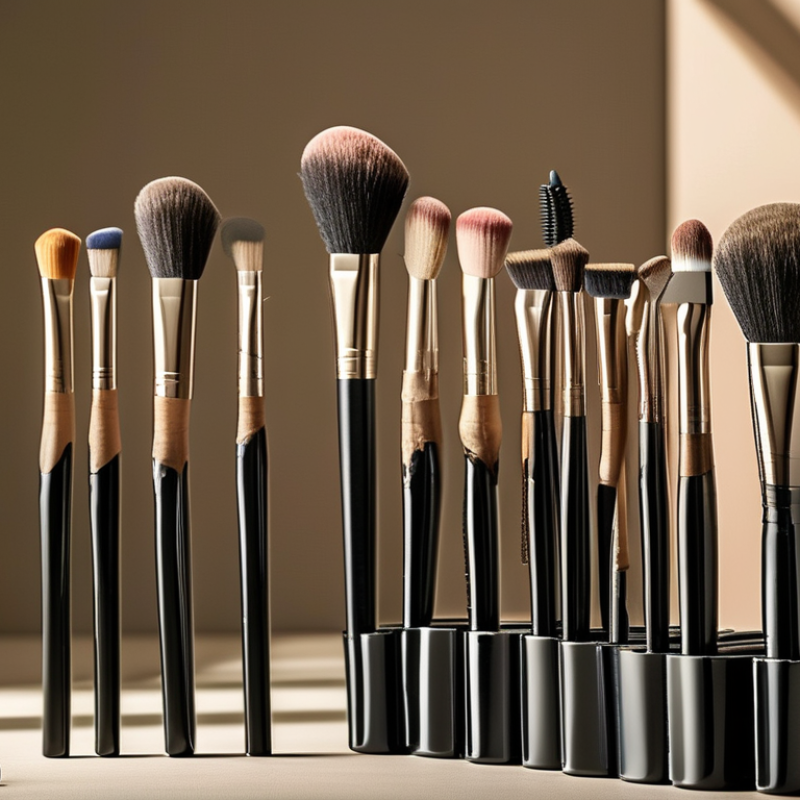
How to Make Your Makeup Brushes Last Longer and Stay Fresh?

Understanding the Importance of Cleaning Makeup Brushes Regularly

Cleaning your makeup brushes regularly is essential for maintaining their performance and longevity. Accumulated makeup residue, oils, and bacteria can build up on the bristles. This can lead to uneven application, which is frustrating. The consequences of not cleaning your brushes might surprise you. Skin irritations and breakouts can occur when harmful bacteria are transferred to your face.

A simple cleaning routine can keep your brushes fresh. Use lukewarm water and a gentle soap to cleanse them. Swirl the brushes in the water gently, ensuring that the bristles are thoroughly saturated. Focus on the tips where makeup tends to cling. Rinse until the water runs clear. Drying should be done on a clean towel, laying them flat to retain their shape.

Make a habit of washing your brushes once a week. If you use them daily, this is crucial. Remember that even if they look clean, hidden grime can lurk within. Staying proactive about brush hygiene can enhance your makeup experience significantly. If you notice that product is not adhering as well as before, a good wash might be overdue. Keeping your brushes fresh is not only about aesthetics but also about health.

Frequency of Cleaning Makeup Brushes

Regularly cleaning makeup brushes is essential for maintaining hygiene and ensuring the longevity of the brushes. This chart shows the frequency with which users clean their makeup brushes, highlighting the importance of cleaning practices in makeup application.

Choosing the Right Cleaning Products for Your Brushes

Choosing the right cleaning products for your makeup brushes is crucial for their longevity and performance. A study by the Cosmetic Cleaning Institute reveals that proper maintenance can extend the lifespan of brushes by up to 30%. This means healthier skin and better makeup application.

Opt for gentle, non-toxic cleaners that remove buildup without damaging bristles. A mild soap can work wonders. Look for products labeled as hypoallergenic. These prevent skin irritation and contamination, ensuring brushes stay fresh. Regular cleaning routines are essential. Aim for once a week, especially if you apply heavy makeup daily.

Tip: Always rinse brushes thoroughly after cleaning. Residual soap can alter the brush's texture. Use a clean towel to reshape the bristles, allowing them to dry in a natural position. For spot cleaning, a mixture of water and alcohol can be effective. Remember, the right cleaning products not only protect your investment but also contribute to better hygiene. Your skin will thank you!

Step-by-Step Guide to Effectively Clean Different Brush Types

Makeup brushes are essential tools for beauty enthusiasts, and maintaining their cleanliness is vital for skin health. A 2021 survey by the International Beauty Association revealed that 65% of makeup users experience skin issues due to dirty brushes. Cleaning brushes may seem tedious, but it's necessary for their longevity and effectiveness.

Different brush types require unique cleaning methods. For synthetic brushes, use mild soap mixed with warm water. Dip the brush, swirl gently, then rinse. Natural bristle brushes need extra care. Use a gentle shampoo to avoid damaging the fibers. Always reshape the bristles after washing to maintain their shape. Avoid soaking the entire brush, as this can loosen the adhesive holding bristles in place.

Tips for keeping brushes fresh include scheduling regular cleanings. Aim for once a week. Use specialized brush cleaners for a quick refresh between thorough washes. Store brushes upright in a clean, dry place to prevent bacteria growth. Consider using a brush guard to keep bristles clean and dust-free. Remember that neglecting brush care can lead to buildup that affects makeup application and skin health.

How to Make Your Makeup Brushes Last Longer and Stay Fresh? - Step-by-Step Guide to Effectively Clean Different Brush Types

Brush Type Cleaning Frequency Cleaning Method Drying Technique Expected Lifespan
Foundation Brush Once a week Soap and water or brush cleaner Lay flat on a towel 1-2 years
Eyeshadow Brush Every 2 weeks Mild shampoo or brush cleaner Leave upright in a holder 1-3 years
Blush Brush Once every week Soap and warm water Hang with bristles pointing down 1-2 years
Lip Brush After every use Alcohol-based disinfectant Air dry in a small container 6 months - 1 year
Fan Brush Every month Gentle cleaner or soap Lay flat in a brush holder 1-2 years

Proper Storage Techniques to Maintain Brush Shape and Freshness

Proper storage of makeup brushes is essential for maintaining their shape and freshness. Keeping brushes in a clean, dry place can prevent damage and bacteria build-up. Consider using a brush holder or a case that allows for airflow. Avoid storing brushes in a drawer where moisture can accumulate. Exposure to dust can also dull the bristles over time.

Consider wrapping your brushes in a soft cloth or using individual brush holders when traveling. This protects the bristles and helps preserve their original shape. Regularly cleaning brushes is important, but it's also crucial to let them dry flat or hanging upside down to prevent water from seeping into the ferrule. Not all brushes dry evenly. Keep an eye on them, as improper drying can cause bristles to clump.

Storing brushes upright in a jar or cup can be convenient, but it may lead to bending if brushes are too tightly packed. Ensure that brushes stand without touching other bristles. Regular assessments of your storage methods can help identify issues. Reflecting on your practices can lead to improvements and give your brushes a longer lifespan.

Signs It’s Time to Replace Your Makeup Brushes

When it comes to makeup brushes, knowing when to replace them is crucial. One of the main signs you need to watch for is frayed bristles. If your brushes no longer have a sharp edge, they won't apply makeup evenly. This can lead to a patchy look, which no one wants.

Another clear indication is discoloration. If your brushes have changed color or developed a hard-to-remove residue, it’s time for a change. Bacteria can thrive in dirty brushes. Lingering bacteria can cause breakouts and skin irritations. You might wash them, but some stains simply won't budge.

Lastly, consider the age of your brushes. Even well-maintained brushes don't last forever. Over time, bristles can lose their softness. Old brushes can become scratchy and uncomfortable against the skin. If makeup application feels different, it might be time to let go. Reflecting on these signs will help you maintain a fresh makeup routine.

FAQS

: How often should I clean my makeup brushes?

: Aim to clean them once a week for optimal hygiene.

What is the best way to clean synthetic brushes?

Use mild soap mixed with warm water. Dip, swirl gently, and rinse.

How do I care for natural bristle brushes?

Use a gentle shampoo. Avoid soaking them to protect the adhesive.

What are signs that my brushes need to be replaced?

Look for frayed bristles, discoloration, or a change in application feel.

Can dirty brushes affect my skin?

Yes, dirty brushes can cause skin issues and breakouts due to bacteria.

How should I store my brushes?

Store them upright in a clean, dry place to prevent bacteria growth.

What should I do between thorough cleans?

Use specialized brush cleaners for a quick refresh between washes.

Why should I reshape my brushes after washing?

Reshaping helps maintain their original form and effectiveness for makeup application.

How can I tell if my brush is too old?

If the bristles feel scratchy or the application seems off, consider replacing it.

What happens if I neglect brush care?

Neglecting care leads to buildup, affecting makeup application and skin health.

Conclusion

To ensure your makeup brushes remain in prime condition and to learn how to make makeup brushes last longer, it’s essential to understand the importance of regular cleaning. Cleaning your brushes not only removes product buildup and bacteria but also extends their lifespan. Choosing the right cleaning products is crucial; gentle cleansers designed for brushes can effectively clean without damaging the bristles.

A step-by-step guide for cleaning different brush types can help you maintain their shape and functionality. Additionally, adopting proper storage techniques, such as keeping brushes upright and away from direct sunlight, can preserve their freshness. Lastly, be aware of the signs indicating it's time to replace your brushes, ensuring your makeup application remains flawless. Following these practices can help you maintain your tools effectively and avoid unnecessary replacements.

Mason

Mason

Mason is a seasoned marketing professional with a deep expertise in the company's offerings and a passion for driving brand awareness. With a strong background in digital marketing strategies, he has an innate ability to connect with diverse audiences and effectively communicate product benefits.......