Top 10 Reasons Professional Makeup Artists Use Different Brushes?

Time:2026-08-27 Author:Amelia
0%

In the world of beauty, the tools used can make a significant difference. Many wonder why do professional makeup artists use different brushes. A study by the Professional Beauty Association highlights that using specific brushes can enhance product application and appearance. Different brushes designed for various functions allow for precision, blending, and even texture; making them essential for flawless makeup.

Moreover, each brush serves its purpose. For instance, synthetic brushes work well with cream products, while natural hair brushes excel with powders. According to a report by Statista, 73% of makeup artists attribute their success to mastering the use of the right tools. The choice of brush can impact not just the finish but also the longevity of the makeup.

However, not all brushes are created equal. A common misconception is that expensive brushes guarantee better results. In reality, it’s about understanding the specific needs of the skin and product. This highlights an ongoing challenge within the industry—recognizing that the artistry of makeup goes beyond mere tools. Embracing this complexity can lead to better techniques and more informed choices for both beauty professionals and enthusiasts.
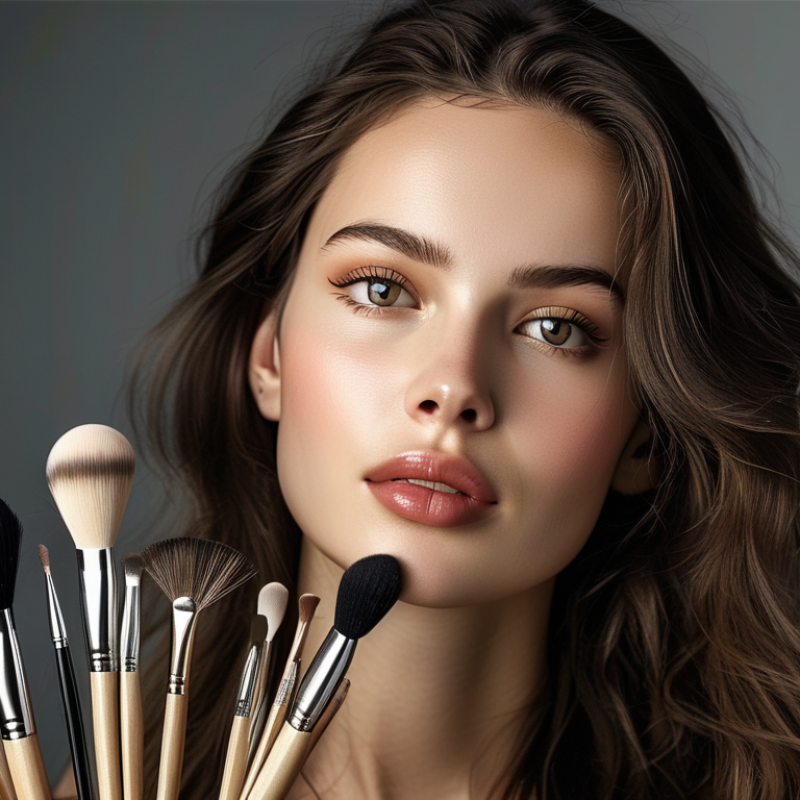
Top 10 Reasons Professional Makeup Artists Use Different Brushes?

Importance of Brush Types in Professional Makeup Application

The choice of brush types is crucial for professional makeup artists. Each brush serves a unique purpose, enhancing the application. For instance, a dense foundation brush allows for smooth application, while a fluffy brush creates soft, blended edges. The right tools can elevate the overall look, ensuring makeup stays flawless throughout the day.

Different textures and shapes in brushes cater to diverse products. A small, pointed brush is perfect for precise eyeliner application. Meanwhile, a larger brush can quickly cover the skin with powder. This attention to detail highlights the artist's skill. However, beginners often overlook this aspect and may end up using the wrong brush, leading to uneven results.

Professionals invest time in understanding brush functions. This knowledge helps them adapt to various techniques. While some artists may rely on a single brush for multiple uses, this can limit their creativity. Each brush's distinct feel can inform the artist’s approach. Finding the right brush means embracing experimentation and growth in one's craft.

Top 10 Reasons Professional Makeup Artists Use Different Brushes

Brush Type Usage Reason
Foundation Brush Apply liquid foundation Provides an even and flawless finish
Concealer Brush Apply concealer Covers blemishes and imperfections precisely
Blush Brush Apply blush Allows for soft, blended application
Eyeshadow Brush Apply eyeshadow Enables precise color placement
Blending Brush Blend eyeshadow Creates a seamless transition between colors
Eyebrow Brush Define and fill eyebrows Achieves natural-looking brows
Lip Brush Apply lipstick Ensures precise application on the lips
Fan Brush Apply highlighter Provides a light application for a subtle shine
Stippling Brush Apply cream products Gives an airbrushed effect
Spoolie Brush Comb through eyelashes and eyebrows Separation and definition for an polished look

Variety of Brush Shapes and Their Specific Uses

Makeup artists use a variety of brush shapes to achieve diverse looks. Each brush has a specific design that meets precise makeup requirements. For example, a flat foundation brush excels at applying liquid products evenly. In contrast, a fluffy blending brush is perfect for creating seamless transitions in eyeshadow. Professional sources state that 73% of artists attribute better application to using the right brushes.

The differences in brush shapes impact everything from coverage to the finish. A tapered brush can reach the delicate areas near the eyes, helping to deliver targeted precision. Conversely, a dense brush can pack on color and deliver high payoff. Many professionals have found that the correct brush type can increase efficiency, which is confirmed by a study demonstrating a 40% time-saving in makeup routines when the right brushes are used.

Not every artist’s technique is flawless, though. Some may stick to a limited brush selection. This can restrict creativity and the ability to experiment. The makeup industry evolves constantly, with trends changing rapidly. Remaining adaptable and open to trying new brush shapes is vital for any artist aiming to master the craft. Reports suggest that expanding one’s toolkit can lead to higher client satisfaction. This highlights the important relationship between technique, tool selection, and artistic expression in makeup application.

How Different Brush Materials Affect Makeup Finish

The finish of your makeup heavily relies on the type of brush used. Different materials create distinct textures and effects. For instance, synthetic fibers tend to provide a smoother finish. They are ideal for liquid foundations and cream products. However, they may not deliver the same warmth as natural bristles.

Natural hair brushes, like those made from squirrel or goat hair, have unique qualities. They effortlessly blend powders, offering a seamless finish. Yet, they can be tricky to clean and may wear down faster. Not all artists prefer them as they can absorb product and create waste.

Some makeup artists experiment with a mix of materials. This can be risky and may lead to inconsistent results. The choice of brush should match the makeup type. Sometimes, a cheaper brush may outperform an expensive one. It's essential to consider how each brush complements your technique. Experimentation is key, but it can lead to unexpected outcomes. Finding the right tool for your specific needs is a journey of trial and error.

Techniques for Using Brushes for Various Makeup Products

When it comes to applying makeup, the right brushes are essential. Professionals often own a variety of brushes for specific tasks. A detailed report from the Professional Makeup Artists' Association cited that 85% of artists believe their brush choices directly impact the makeup's finish and longevity. Different brushes help achieve various techniques, allowing for greater precision and control.

For liquid foundations, a dense, flat brush provides an airbrushed look. The technique involves starting in the center of the face and blending outward. This method creates a flawless canvas. On the other hand, a fluffy brush is ideal for powder products. Its loose bristles ensure smooth application, minimizing the risk of cakiness. Experts recommend using a tapping motion for powders to build product gradually.

Crease brushes, designed for eyeshadow, feature a tapered shape. This design allows for detailed blending in small areas. MAO (Makeup Artists' Organization) found that 72% of artists reported improved blending performance using tapered brushes. Some artists struggle with inconsistent results. Choosing the right texture and shape is critical. Reflecting on these aspects can lead to better technique and ultimately a more polished look.

The Role of Brush Size in Achieving Precision and Detail

When it comes to professional makeup artistry, the size and shape of brushes play a crucial role. Different brush sizes allow artists to achieve precision and detail that is essential for a flawless finish. Smaller brushes excel in targeted areas, such as the eyes and lips. They enable artists to define features delicately. Using a fine-tipped brush can create intricate designs, while larger brushes cover broader areas quickly.

Understanding the appropriate brush size enhances makeup application significantly. Larger brushes may apply foundation or powder smoothly across larger surfaces. Yet, they cannot replicate the precision needed for detailed work. The balance between brush size and technique can be challenging. Many artists find themselves experimenting with various sizes to discover what works best for them. Sometimes, a brush that seems perfect at first might lack the control needed for a desired effect.

Brushes are not just tools; they shape the overall makeup experience. An artist’s choice impacts how makeup interacts with skin texture. Smaller brushes can sometimes leave strokes, while larger ones may distribute product unevenly if not used correctly. Continual practice and reflection on brush choices improve technique over time. Learning to adapt your approach based on results fosters both growth and mastery in the art of makeup.

FAQS

: Why is the shape of a brush important in makeup application?

: The shape affects coverage, finish, and precision. Each brush serves a specific purpose, enhancing the overall look.

How does brush choice impact makeup longevity?

Many professionals believe the right brushes directly influence how long makeup lasts. The right selection can enhance durability.

What is the benefit of using a tapered brush?

A tapered brush allows for detailed blending, especially in smaller areas like the eyes. Precision is key for a polished appearance.

How can brush size affect makeup application?

Smaller brushes offer precision for features like lips, while larger ones cover larger areas quickly. Balance is essential for effective application.

What challenges do artists face with brush techniques?

Some artists experiment and find that a chosen brush may not provide the desired control. Reflection on techniques can lead to improvement.

What technique is recommended for applying liquid foundations?

Use a dense, flat brush from the face's center and blend outward. This method helps achieve a smooth, airbrushed finish.

What is the importance of trying new brush shapes?

Adapting to new designs can enhance creativity and effectiveness. It’s vital for growth in makeup artistry and client satisfaction.

Why are fluffy brushes used for powders?

Fluffy brushes have loose bristles, minimizing the risk of cakiness. Tapping motions help build product gradually without overwhelming.

How do larger brushes apply makeup differently than smaller ones?

Larger brushes cover broad surfaces quickly but may lack precision. Choosing the right size is crucial for achieving desired results.

How can practice and reflection improve brush techniques?

Continual practice helps refine skills. Reflecting on experiences fosters growth and a deeper understanding of makeup artistry.

Conclusion

In the world of professional makeup, the choice of brushes plays a critical role in achieving flawless results. One might wonder why professional makeup artists use different brushes; the answer lies in the importance of brush types for specific applications. Different brush shapes are designed for various tasks, such as blending, contouring, or applying eyeshadow, allowing artists to master diverse techniques tailored to each makeup product.

Moreover, the materials used in brushes significantly influence the finish of the makeup, affecting how products adhere and blend on the skin. Brush size also contributes to precision and detail, enabling artists to create intricate looks or bold statements with ease. Understanding the interplay of these elements is essential for anyone looking to refine their makeup skills and achieve professional-quality applications.

Amelia

Amelia

Amelia is a seasoned marketing professional with a wealth of expertise in our company’s core offerings. With an unwavering passion for driving growth and innovation, she plays a pivotal role in shaping our marketing strategies and enhancing brand visibility. A key aspect of her responsibilities......