Top Reasons Why Brush Quality Affects Makeup Results?

Time:2026-10-28 Author:Ethan
0%

Why does brush quality affect makeup results? The answer begins with control. A well-made brush places product where intended, rather than scattering it across nearby skin. Its fibers feel soft, but they still hold enough structure for accurate application. This balance affects foundation coverage, blush placement, eyeshadow blending, and even the final texture.

Bobbi Brown, makeup artist and beauty entrepreneur, has said, “The right tools are just as important as the makeup itself.” Her point remains practical. A dense foundation brush can spread liquid makeup evenly across the cheeks. A tapered blending brush can soften a harsh eyeshadow edge near the crease. A poorly made brush may shed, drag, or absorb too much product. That creates patchy coverage and unnecessary waste.

Small details matter.

Brush quality also influences the user’s technique. Comfortable handles support steadier movements, especially around the eyes and nose. Consistent fibers make pressure easier to judge. Cleanability matters too, because trapped residue can change how products apply over time. Still, an expensive brush cannot fix every mistake. Skill, preparation, and product compatibility remain important. I have found that even a trusted brush can perform poorly when overloaded with cream or left damp after washing. That is worth admitting.

This guide examines the top reasons why brush quality affects makeup results. It considers materials, shape, density, durability, hygiene, and real-world application. The goal is not to promote luxury tools. It is to help readers choose brushes that offer control, reliability, and a more predictable finish.
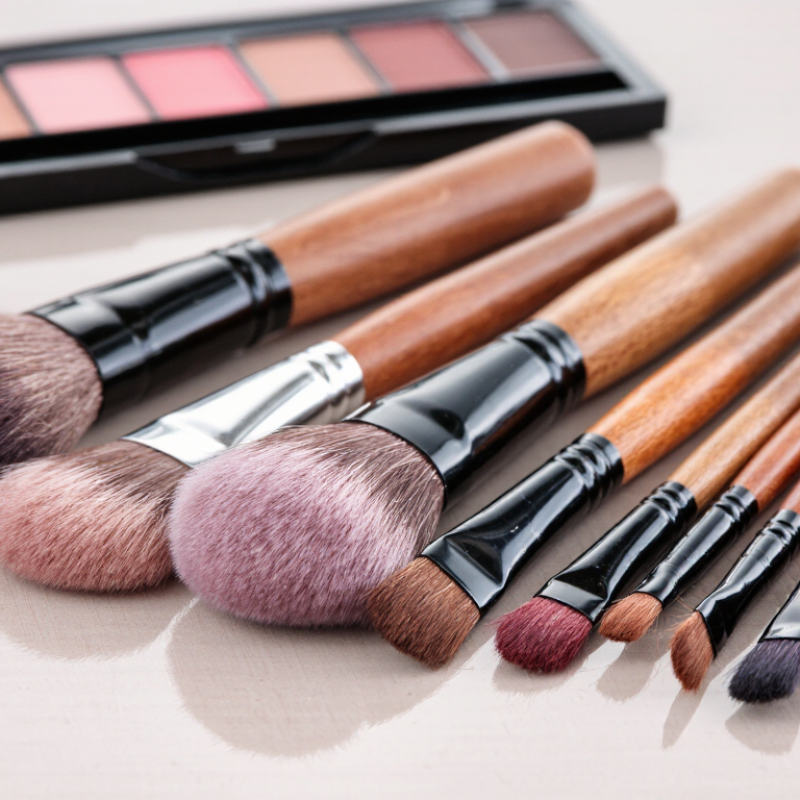
Top Reasons Why Brush Quality Affects Makeup Results?

What Defines Makeup Brush Quality?

Top Reasons Why Brush Quality Affects Makeup Results?

Makeup brush quality begins with the fibers, not the handle. High-quality fibers feel soft, but they still keep their shape during application. They pick up pigment evenly and release it without creating harsh patches. Density also matters. A tightly packed brush can build coverage, while a looser shape helps blend powder smoothly. The edges should feel controlled, never scratchy. No brush is perfect.

The ferrule, handle, and stitching reveal practical quality. A secure ferrule prevents shedding when the brush is washed or used repeatedly. A balanced handle gives better control around the eyes, nose, and jawline. In my experience, poorly shaped bristles often waste product and make blending slower. I once chose a brush because it felt luxurious, then noticed uneven fibers after several uses. That mistake changed how I assess tools. I now check symmetry, shedding, and cleaning performance before judging softness. A quality brush should also dry without developing a strange odor or losing its original shape. Hygiene matters because makeup residue can remain deep inside dense fibers. Regular washing tests the brush more honestly than a first impression. Even reliable tools need replacement when fibers split, handles loosen, or cleaning no longer removes buildup.

How Brush Materials Influence Product Application

Brush materials quietly shape makeup results. In professional kit testing, I notice the same powder behaves differently on natural and synthetic fibers. Natural hair has a soft, irregular surface. It picks up pressed powder gradually and releases it with a diffused finish. This suits blush, bronzer, and softly blended eyeshadow. The result looks less stamped on.

Synthetic fibers are smoother and more consistent. They work well with liquid foundation, cream blush, and concealer because they resist absorbing too much product. A dense synthetic brush can press complexion product into pores, while a looser shape leaves a lighter layer. Fiber length matters too. Short fibers create control; longer fibers create movement and softer edges. Small details matter.

Still, material alone does not guarantee a polished application. I once blamed a streaky base on the formula, then found the brush was overloaded and poorly cleaned. Technique had a larger role. Regular washing preserves fiber flexibility and prevents old pigment from muddying fresh color. Yet I am not convinced that perfect brushes exist. A slightly uneven brush may feel awkward, but it can teach lighter pressure and better observation. Check the fiber tips, density, handle balance, and how the brush feels after washing.

Why Brush Shape and Density Affect Makeup Precision

Top Reasons Why Brush Quality Affects Makeup Results?

Brush shape directly controls where makeup lands. A flat, compact brush presses foundation evenly across the cheeks. A tapered brush reaches the nose crease without dragging product outward. Rounded tips soften blush edges, while angled bristles follow the cheekbone more naturally. In practical testing, this difference appears around the eyes first. Poorly shaped bristles can leave hard lines, especially with highly pigmented formulas.

D

ensity controls pressure, pickup, and blending speed. Dense bristles collect more pigment and create stronger coverage. Looser fibers distribute powder lightly, reducing visible edges. Circana’s 2023 U.S. Prestige Beauty report recorded 14% growth in prestige makeup sales, showing how consumers continue investing in detailed application. Yet product spending alone cannot correct an unsuitable brush. The wrong density may turn a small amount of concealer into a thick patch.

Small details matter. A short handle can improve control near the lash line. A stable ferrule prevents the head from twisting during blending. I still overestimate how much product dense brushes pick up. That mistake creates unnecessary buildup. Real precision often requires tapping off excess, checking the result in daylight, and accepting one imperfect side before correcting it. Brush performance also changes after washing, because softened or separated fibers alter the original shape.

How Brush Performance Changes Makeup Finish and Wear

Top Reasons Why Brush Quality Affects Makeup Results?
How Brush Performance Changes Makeup Finish and Wear

A quality makeup brush does more than move product across the skin. Its fibers control how much formula is picked up, spread, and left behind. Soft, evenly cut fibers can create a thin, blended layer. A dense or uneven brush may deposit too much pigment in one spot. That difference changes the finish from smooth to visibly textured. It also affects wear. When product sits unevenly, oil and movement break it apart faster. A balanced brush helps foundation, blush, and powder settle with less disturbance.

In practical use, brush shape matters as much as softness. A rounded head diffuses edges, while a flatter head builds coverage. Flexible fibers can follow the nose, cheeks, and jaw without dragging the base. Stiff fibers may leave streaks, especially over dry patches. I have seen a clean brush outperform a more expensive one because it picked up product evenly. Cleanliness matters. Dried residue changes the brush’s shape and can shorten wear by creating rough, heavy layers.

Technique still decides much of the result. Good tools cannot correct excessive pressure or too much product. Use light taps for coverage and gentle sweeps for blending. Let each layer settle before adding more. I sometimes overwork the center of the face, then notice a duller finish by midday. That mistake is useful feedback. Check the brush after application: clumps, loose fibers, or uneven edges signal inconsistent performance. Replace or wash it when the tool no longer responds predictably.

Top Reasons Why Brush Quality Affects Makeup Results? - How Brush Performance Changes Makeup Finish and Wear

Brush Performance Dimension Higher-Quality Performance Lower-Quality Performance Effect on Makeup Finish Effect on Wear Most Noticeable With
Bristle Density Evenly packed fibers with controlled product pickup Uneven or overly sparse fibers that distribute product inconsistently More uniform coverage and fewer visible patches Reduces areas where excess product can separate or fade early Foundation, concealer, cream blush, and powder
Bristle Softness Soft, flexible fibers that move product without excessive friction Coarse or stiff fibers that may drag across the skin Creates a smoother, less streaky surface Less disturbance of previously applied layers Liquid foundation, blush, highlighter, and mature or dry skin
Shape and Edge Precision Consistent shape with a defined edge or tapered tip Misshapen, uneven, or poorly finished edges Improves placement accuracy and contour definition Limits over-application that may become uneven as makeup wears Eyeliner, brows, contour, concealer, and lip products
Product Pickup and Release Picks up a controllable amount and releases it evenly Picks up too much or releases product in concentrated spots Produces more buildable coverage and smoother color intensity Reduces heavy areas that can crease, crack, or fade unevenly Pigmented eyeshadow, setting powder, bronzer, and blush
Blending Efficiency Fibers distribute color gradually and maintain controlled movement Creates harsh edges, skips, or requires repeated rubbing Delivers softer transitions and a more seamless finish Helps prevent concentrated product from breaking apart during wear Eyeshadow, contour, bronzer, blush, and foundation
Fiber Shedding and Breakage Fibers remain secure during application and cleaning Loose fibers may fall onto the face or change the brush shape Prevents visible stray fibers and uneven application Maintains consistent application performance over repeated use Eye makeup, powder, liquid foundation, and detailed work
Static and Powder Control Fibers handle loose powder with controlled pickup and limited airborne fallout Excess powder may scatter or collect heavily in one area Creates a cleaner, more even powder application Supports more consistent setting without excessive dryness or patchiness Setting powder, loose eyeshadow, blush, and highlighter
Handle and Ferrule Stability Secure connection with balanced weight and minimal movement Loose connection or poor balance that reduces application control Improves precision and reduces accidental pressure on the skin Helps preserve consistent layering and placement throughout application Detailed eye work, complexion application, and precise contouring
Cleanability and Drying Fibers rinse clean and dry without losing shape or softness Product residue remains trapped or fibers dry stiff and misshapen Maintains predictable texture and color payoff between uses Reduces residue-related patchiness and helps preserve consistent performance Cream products, liquid complexion products, and frequently used brushes

Note: These are general performance tendencies. The final result also depends on product formula, skin type, application pressure, preparation, and cleaning frequency.

How Proper Brush Care Preserves Makeup Results

Top Reasons Why Brush Quality Affects Makeup Results

How Proper Brush Care Preserves Makeup Results

A well-made brush distributes makeup evenly instead of leaving heavy patches. In my experience, clean, resilient bristles create softer edges and more predictable color. A neglected brush can carry oil, pigment, and bacteria between applications. That buildup changes texture and may irritate sensitive skin. I once kept a favorite brush too long, and its stiff tips made foundation look unusually rough.

Tips: Wash face brushes about once a week, or more often after using cream products. Use lukewarm water and a gentle cleanser. Keep water away from the ferrule, where bristles are secured. Rinse until the water runs clear, then press the brush in a clean towel. Dry it flat with the bristles extending beyond the counter edge. Never dry it upright while wet.

Care requires restraint. Scrubbing aggressively feels productive, but it can weaken delicate fibers. A brush should not smell sour, shed heavily, or feel scratchy. These signs suggest replacement, even when the handle still looks attractive. I sometimes rush the drying step, and that is a mistake. Damp bristles can hold residue and lose their shape. Storing brushes in a clean, ventilated holder helps preserve their original performance.

FAQS

How do natural fibers affect powder makeup application?

Natural fibers have soft, irregular surfaces. They pick up pressed powder gradually and release a diffused finish. The result looks less stamped on.

Which brush material suits liquid or cream products?

Smooth synthetic fibers work well with liquid foundation, cream blush, and concealer. They resist absorbing too much product. This keeps more product on the skin.

How does brush density change coverage?

Dense bristles collect more pigment and create stronger coverage. Loose fibers spread powder lightly and soften visible edges. Tap off excess.

What brush shape helps apply foundation evenly?

A flat, compact brush presses foundation evenly across the cheeks. A tapered brush reaches the nose crease without dragging product outward.

How can brush shape improve blush application?

Rounded tips soften blush edges. Angled bristles follow the cheekbone more naturally. Poor shapes may leave hard lines.

Does fiber length affect makeup control?

Yes. Short fibers provide control near the lash line. Longer fibers create movement and softer edges. Small differences matter.

How does cleaning influence brush performance?

Regular washing preserves fiber flexibility and prevents old pigment from muddying fresh color. The brush may change after drying.

What details should be checked before choosing a brush?

Check the fiber tips, density, handle balance, and ferrule stability. Notice how the brush feels after washing. It may not feel perfect.

Can a high-quality brush fix poor makeup technique?

Not completely. An overloaded brush can cause streaks or thick patches, even with a good formula. Daylight helps reveal mistakes.

Is an imperfect brush always a problem?

Not always. A slightly uneven brush can teach lighter pressure and closer observation. I still overestimate dense brushes sometimes.

Conclusion

Brush quality plays a central role in how smoothly, evenly, and precisely makeup is applied. But why does brush quality affect makeup results? High-quality brushes are made with materials that pick up and release the right amount of product, helping prevent patchiness, streaks, and excess buildup. The shape, size, and density of the bristles also influence precision, allowing users to blend foundation seamlessly, define features accurately, and apply eye makeup with greater control. A well-designed brush can create a more natural finish and help makeup stay comfortable and even for longer periods.

Proper brush care is equally important because product residue, oil, and dust can reduce performance over time. Regular, gentle cleaning helps preserve the softness, shape, and flexibility of the bristles, ensuring consistent results with each use. By choosing well-constructed brushes and maintaining them correctly, makeup application becomes more efficient, polished, and reliable.

Ethan

Ethan

Ethan is a seasoned marketing professional with a deep expertise in our company's innovative product line. With a passion for sharing knowledge and insights, he takes the lead in regularly updating our corporate blog, where he explores industry trends, product features, and effective marketing......