Why are eco friendly beauty tools becoming popular? The answer begins with a visible shift in everyday routines. Shoppers now examine the materials, lifespan, and disposal of brushes, sponges, razors, and facial devices. A bamboo-handled brush feels different from a plastic one. A washable makeup pad creates less bathroom waste each morning.
Sustainability expert and beauty-industry consultant Imogen Matthews explains, “Sustainable beauty is not a trend; it is a necessary shift in how products are made, used, and discarded.” Her point reflects a wider concern. Consumers want practical tools that support personal care without adding unnecessary pressure to the planet. Refillable containers, recycled materials, biodegradable fibers, and durable designs make that choice easier.
But popularity does not prove perfection. Some “green” tools still use mixed materials, vague labels, or difficult packaging. That deserves closer attention. A reusable sponge may reduce waste, yet it requires careful washing and eventual replacement. A wooden tool can feel natural, but responsible sourcing still matters.
This article examines the real reasons behind the trend. It considers consumer values, product performance, social media influence, and changing retail standards. It also asks a less comfortable question: are buyers choosing better tools, or simply buying more sustainable-looking products? Experience, evidence, and transparent claims will help separate meaningful progress from attractive marketing.
What Eco-Friendly Beauty Tools Are
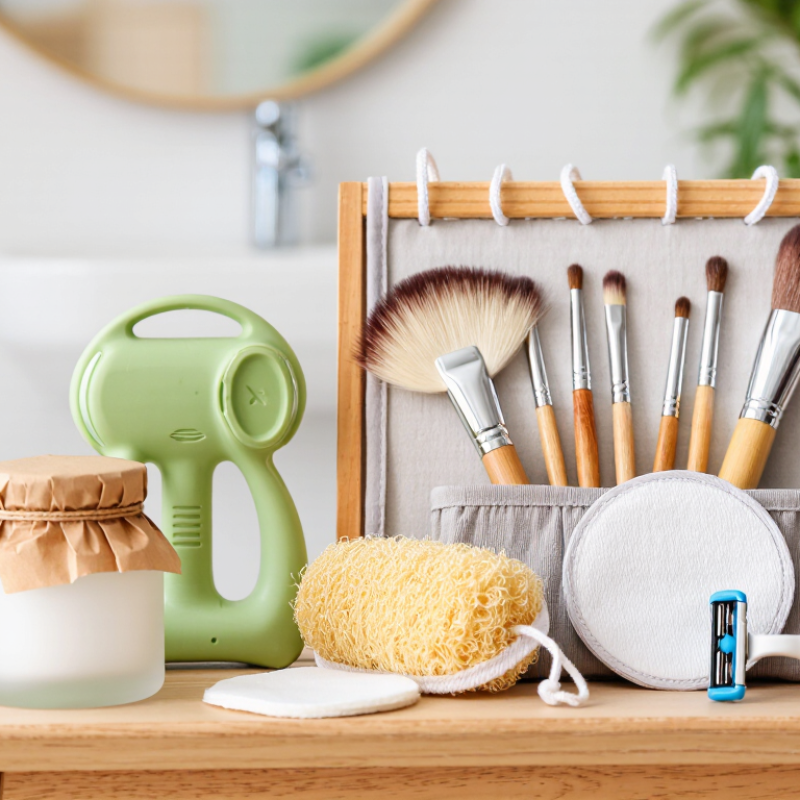
Eco-friendly beauty tools are designed to reduce waste across their working life. They may use recycled metal, responsibly sourced wood, plant-based fibers, or durable silicone. More importantly, they should last, stay hygienic, and avoid unnecessary packaging. A reusable facial pad replaces many disposable rounds. A metal razor can also outlive dozens of plastic versions when maintained properly.
The label is not magic. A bamboo handle is not automatically sustainable if it breaks quickly or travels without clear sourcing. The United Nations Global Resources Outlook 2024 reports that global resource extraction has tripled since 1970 and could rise another 60% by 2060. Longer-lasting tools matter within that pressure. In my experience, cleaning instructions, replaceable parts, and practical storage often matter more than attractive materials. Small details count.
Packaging also shapes a tool’s footprint. McKinsey’s 2023 global packaging survey found that 60% to 70% of consumers would pay more for sustainable packaging. However, willingness does not guarantee better purchasing decisions. Buyers still need evidence about material content, durability, manufacturing, and disposal. A tool that cannot be repaired may create more waste than expected. That is an uncomfortable point. Eco-friendly beauty tools should be judged by their full life cycle, not by one green-looking feature.
Eco-friendly beauty tools are popular because many of them can be reused, reduce single-use packaging, and use renewable or biodegradable materials. This chart compares common tools by the number of sustainability features they may offer: reusability, reduced plastic use, and recyclable or biodegradable materials. Product construction can vary by manufacturer.
How to Understand Why Eco Friendly Beauty Tools Are Popular?
Why Sustainable Materials Matter in Beauty Tools
Eco-friendly beauty tools are popular because their materials affect daily use and environmental pressure. Bamboo, recycled aluminum, stainless steel, and recycled plastic can reduce dependence on new resources. However, material choice alone does not make a tool sustainable. Durability, repair options, packaging, and disposal also matter.
A well-made tool should feel steady in the hand and remain useful after repeated washing. Stainless steel can resist rust when maintained properly. Bamboo may feel warm and lightweight, but it needs careful drying. Recycled plastic can lower waste, although its quality and recyclability vary. These details require honest product information. Look for clear material percentages, care instructions, and disposal guidance. No tool is perfectly sustainable. I still find it difficult to judge every environmental claim without complete lifecycle data.
Tips: Choose tools designed for long-term use. Check whether the handle, bristles, or moving parts can be replaced. Avoid buying duplicates that will sit unused in a drawer. Clean tools according to their material, because poor care shortens their life. Consider local recycling rules before purchasing. A simple, durable tool may create less waste than a fashionable alternative. Small decisions count, but they deserve careful thought.
Eco-friendly beauty tools can reduce waste through repeated use. A washable cleansing pad may replace dozens of disposable cotton rounds each month. A durable metal razor can also avoid a steady stream of plastic handles and cartridges. Small changes become visible beside a bathroom bin.
Material choice matters, but it is not the whole story. Bamboo brushes may use renewable material, while recycled plastic tools can give existing waste another purpose. Silicone applicators are easy to rinse and often last for years. However, washing them still uses water, energy, and cleaning products. Reusable does not automatically mean sustainable.
The most responsible choice is usually the tool you will use consistently. A poorly designed item may break quickly, despite attractive environmental claims. Look for sturdy construction, replaceable parts, minimal packaging, and clear disposal guidance. Check whether the tool suits your routine before buying it. A washable pad left unused in a drawer creates no benefit. At the sink, rinsing several tools under running water can also weaken the savings. Turning off the tap and washing a full batch helps reduce that impact. Local recycling rules differ, and mixed materials are often difficult to process. That limitation deserves honesty. Eco-friendly beauty is not perfect, but careful use, longer product life, and fewer disposable items can lower everyday environmental pressure.
Eco-friendly beauty tools are popular because shoppers connect personal care with daily environmental choices. Consumer demand is less about perfect ethics and more about visible improvements. Reusable facial pads, bamboo-handled brushes, and refillable applicators can reduce single-use waste. That promise matters when shoppers see the change in their bathrooms.
The Capgemini Research Institute’s 2023 Sustainability in Consumer Products report found that 79% of consumers are changing preferences because of environmental or social concerns. IBM’s 2020 consumer study also found that 57% of respondents were willing to change shopping habits to reduce environmental impact. Still, willingness does not guarantee purchase. Price, hygiene, durability, and unclear disposal instructions create hesitation. A tool that breaks after three uses is not a sustainable choice.
Tips: Check material details, product lifespan, cleaning instructions, and replacement options. Favor tools with fewer mixed materials. Ask whether the handle, bristles, or pad can be recycled locally. Avoid trusting vague words such as “green” or “natural” without evidence.
A professional evaluation should measure the entire use cycle, not only the material. Bamboo may look responsible, yet coatings, adhesives, packaging, and shipping can complicate its impact. Durability matters more than appearance. Consumers also need honest guidance, because sustainable beauty is not always simple. Sometimes the familiar tool, used longer and replaced less often, creates less waste. That possibility deserves more attention.
Eco-friendly beauty tools are easier to choose when sustainability is measured beyond appearance. Deloitte’s 2024 Gen Z and Millennial Survey found that 62% of Gen Z respondents and 59% of millennials would pay more for sustainable products. Yet, higher prices do not guarantee lower environmental impact. A wooden handle may look responsible, but poor durability can create more waste. Check the material, expected lifespan, repair options, and packaging before buying.
Choose tools that match your routine. For brushes, look for durable fibers, secure handles, and replaceable parts. For reusable pads or applicators, confirm that they can be washed thoroughly without losing shape. Avoid products that require complicated care. You may stop using them. Check independent certifications, recycled-content claims, and disposal instructions. Vague words like “green” or “natural” offer little evidence. The European Commission reported in 2023 that 53% of environmental claims in the European Union were vague, misleading, or unsupported.
Use each tool gently and clean it according to the material. Wash reusable items after use, then dry them fully in an airy place. Damp storage can encourage odor and microbial growth. Do not share personal-use tools without proper sanitation. I have replaced some “sustainable” tools too quickly because I ignored maintenance details. That mistake matters. A tool used for three years may be more responsible than several disposable alternatives. Track wear, clean regularly, and replace only when performance or hygiene declines.
It reduces waste during use, lasts a long time, and avoids unnecessary packaging. Durability matters most. Recycled metal, responsibly sourced wood, plant fibers, and silicone may help. However, one green-looking material proves very little.
Yes. A washable pad can replace many disposable rounds each month. Wash several pads together instead of rinsing one under running water. A pad stored unused creates no environmental benefit.
No. Bamboo may be renewable, but the handle can break quickly. Coatings, adhesives, packaging, and shipping also affect its footprint. Check sourcing and expected lifespan. Appearance is not evidence.
A durable metal razor can last longer and reduce discarded plastic handles. Proper maintenance is important. Clean it, dry it, and store it safely. A poorly maintained tool may not deliver the expected savings.
Consider the full life cycle. Check materials, manufacturing, packaging, use, repairs, and disposal. Look for sturdy construction and replaceable parts. Mixed materials can be difficult to recycle locally. That part is often overlooked.
Not automatically. Washing uses water, energy, and cleaning products. Rinse tools efficiently and wash a full batch when possible. Turn off the tap. Consistent use matters more than buying attractive items.
Review the material details, cleaning instructions, lifespan, packaging, and replacement options. Choose tools that fit your daily routine. Prefer fewer mixed materials. Vague words like “green” need supporting evidence.
Higher prices, hygiene concerns, uncertain disposal, and weak durability can create hesitation. A tool that breaks after three uses is not a sustainable choice. Sometimes the familiar tool, used longer, creates less waste. I may not always choose perfectly.
Eco-friendly beauty tools are designed to support personal care while reducing harm to the environment. They may be made from renewable, recycled, biodegradable, or long-lasting materials, helping replace disposable plastic items and lowering waste. Sustainable materials matter because they can reduce resource consumption, limit pollution, and encourage more responsible production. With proper care, reusable brushes, applicators, cleansing tools, and other beauty accessories can also remain useful for longer, reducing the need for frequent replacement.
A key question is: why are eco friendly beauty tools becoming popular? Consumer demand is growing as people become more aware of waste, climate concerns, and the effects of everyday purchasing choices. Many shoppers now value products that combine practical performance with responsible design. When choosing these tools, consumers should consider durability, material safety, reusability, packaging, and ease of cleaning. Using them correctly and maintaining them well can extend their lifespan, maximize their environmental benefits, and make sustainable beauty habits more convenient.

MVX Beauty