A private label beauty tool business can turn practical, repeat-use products into a focused brand. Think facial rollers, cleansing brushes, makeup sponges, or travel organizers. Customers can see the difference in a handle’s grip, a brush’s finish, or how easily a tool fits into a bathroom drawer. Small details matter.
The opportunity sits within a much larger beauty sector. McKinsey’s 2023 beauty market report projected the global market could reach about $580 billion by 2027, with roughly 6% annual growth. This is a forecast for beauty overall, not beauty tools alone. Still, it signals sustained consumer interest in beauty products and routines. A tool brand may benefit from that interest, but it must earn attention through clear product value—not market growth by itself.
So, how to start a private label beauty tool business? Begin with a specific customer and a narrow product range. Compare supplier samples, inspect materials and packaging, and test how products perform in ordinary routines. A low-cost sample that looks polished may still feel awkward in the hand. That matters. Check quality claims and gather customer feedback before expanding the range. Think carefully about product safety, truthful descriptions, and applicable market requirements; these vary by location. Private labeling can simplify brand ownership, but it does not remove the work of quality control or customer service. And one honest caveat: attractive branding cannot rescue a tool people rarely use. A focused launch, supported by credible research and realistic margins, is a more reliable place to begin.
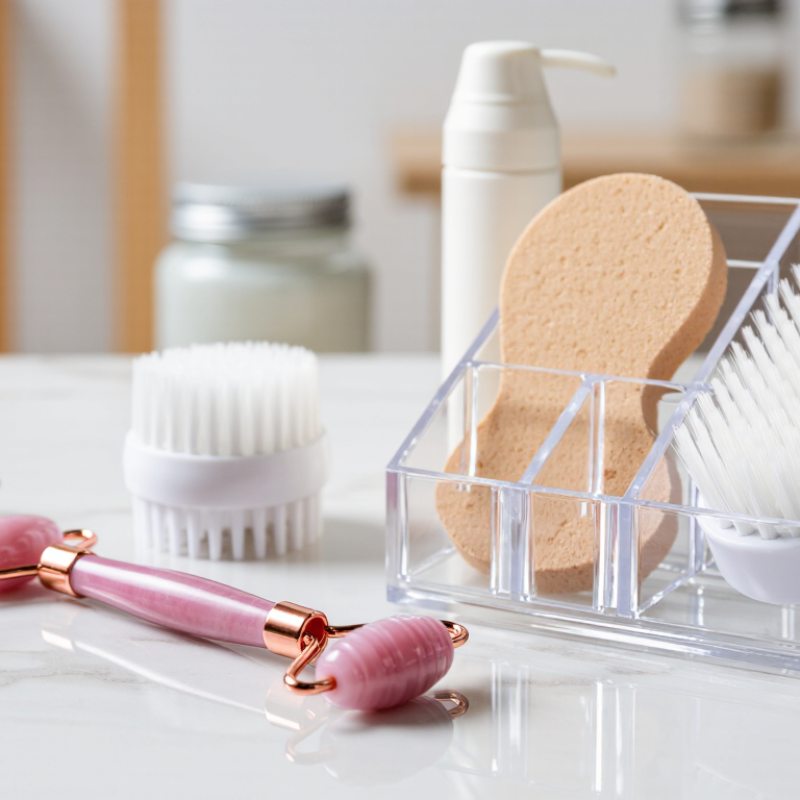
A private label beauty tool business involves choosing a focused product range, developing specifications, and arranging production under your own business identity. You might start with makeup brushes, cleansing tools, or compact mirrors. Define who will use each tool and what problem it should solve. A brush set for travel, for example, needs secure caps and a case that fits neatly into a small bag. You will also need to decide on materials, colors, packaging, pricing, and order quantities. Ask suppliers for samples, then check the finish, comfort, and packaging yourself. A polished photo cannot reveal a loose handle. Keep notes on defects and changes; small details can get missed.
Tips: Compare samples side by side. Wash reusable tools as directed and check whether parts loosen or colors transfer. Request clear specifications and written production timelines. Leave room in your budget for packaging, shipping, and replacement stock. Early plans often miss one cost. That is worth revisiting before placing a large order.
Running the business continues after production. You need accurate product descriptions, useful care instructions, and a simple way to handle customer questions. Track recurring feedback, such as bristles shedding or a grip feeling slippery. Treat those comments as evidence to review, not proof that every unit has the same issue. Start with a manageable selection and improve it as you learn. The first version may not be perfect.
| Business Area | What It Involves | Examples | Key Considerations |
|---|---|---|---|
| Private Label Model | Selecting products made by a manufacturer and selling them under your own business name or packaging. | Choosing an existing product design, then adding your own logo, instructions, or packaging. | Confirm which product features can be customized and who is responsible for product specifications and claims. |
| Product Selection | Choosing beauty tools that suit a defined customer group, price point, and sales channel. | Makeup brushes, facial cleansing brushes, gua sha tools, hair styling tools, and cosmetic organizers. | Compare intended use, materials, ease of cleaning, durability, and customer demand before placing an order. |
| Supplier Sourcing | Finding manufacturers or distributors, requesting samples, and agreeing on specifications and order terms. | Reviewing product samples, packaging options, production lead times, and minimum order quantities. | Check quality controls, communication, production capacity, shipping terms, and the supplier’s ability to provide relevant documentation. |
| Product Quality | Setting acceptance criteria and checking that delivered products match the approved sample and specifications. | Inspecting finish, moving parts, electrical functions where applicable, packaging, and included accessories. | Use documented specifications and an inspection process. Requirements may differ by product type and destination market. |
| Safety and Compliance | Identifying product, labeling, and import requirements that apply in the markets where products will be sold. | Reviewing electrical safety or battery requirements for powered tools and material information for applicable products. | Requirements vary by product and country. Verify applicable rules with qualified compliance professionals before selling. |
| Branding and Packaging | Creating a consistent presentation while providing clear product information and instructions. | Custom colors, logo placement, product inserts, care instructions, and retail-ready packaging. | Keep descriptions accurate, avoid unsupported performance claims, and make instructions easy to understand. |
| Pricing and Operations | Planning the full cost of bringing products to customers and managing inventory and fulfillment. | Accounting for product cost, packaging, freight, duties where applicable, storage, returns, and sales fees. | Build a cost model before setting prices; cash flow and inventory needs depend on order size and supplier terms. |
| Sales and Customer Support | Choosing where to sell, explaining product use, and responding to questions or product issues. | An online store, marketplace listings, retail partnerships, product demonstrations, and care guidance. | Use clear product photos and descriptions, set a returns process, and collect customer feedback to guide improvements. |
You choose tools, materials, packaging, and order quantities. You also arrange production under your own business identity. Small details matter.
Consider travel brushes, cleansing tools, or compact mirrors. Pick products for a clear user need, not just an attractive color.
Compare samples side by side. Check the grip, seams, finish, and packaging. Wash reusable tools as directed and watch for loose parts or color transfer.
Written details clarify materials, production timelines, and product requirements. A polished photo may hide a loose handle. That is easy to miss.
Plan for packaging, shipping, and replacement stock, as well as production. Early estimates often miss something. Revisit them before placing a large order.
Yes. A modest range can help you learn what customers use and request before expanding. It does not guarantee sales.
Track repeated comments, such as shedding bristles or a slippery grip. Treat them as clues to investigate, not proof that every unit has the same flaw.
Request samples from several suppliers and test products with real users. A beautiful sample is encouraging, but it may not match every production batch.
A private label beauty tool business involves developing or sourcing tools, presenting them under your own brand, and selling them to a defined audience. Demand can be shaped by interest in at-home beauty routines, convenience, product performance, and changing consumer preferences. Understanding these trends helps entrepreneurs identify useful products and explain their value clearly.
For anyone researching how to start a private label beauty tool business, the key steps include choosing a focused product range, evaluating suppliers for quality and reliability, and selecting suitable sales channels. Private labeling can offer greater control over product presentation and customer experience, but it also requires careful planning. Startup costs may include samples, inventory, packaging, marketing, and fulfillment, while risks include uneven demand, quality issues, and cash-flow pressure. Entrepreneurs should also check the requirements that apply to their products and sales markets before launching.

 MVX Beauty